


Sell Online
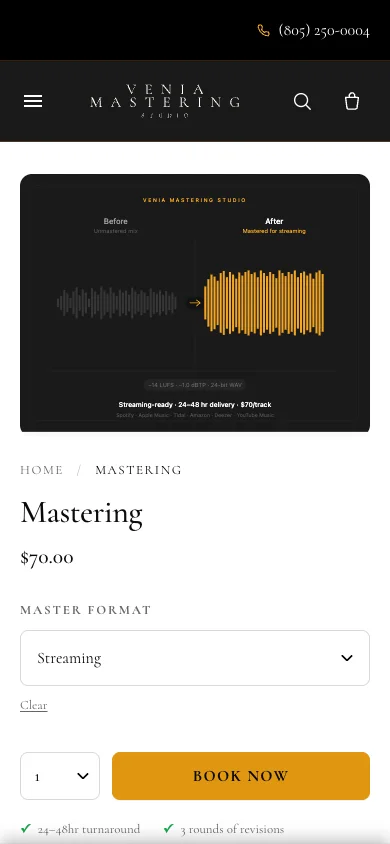
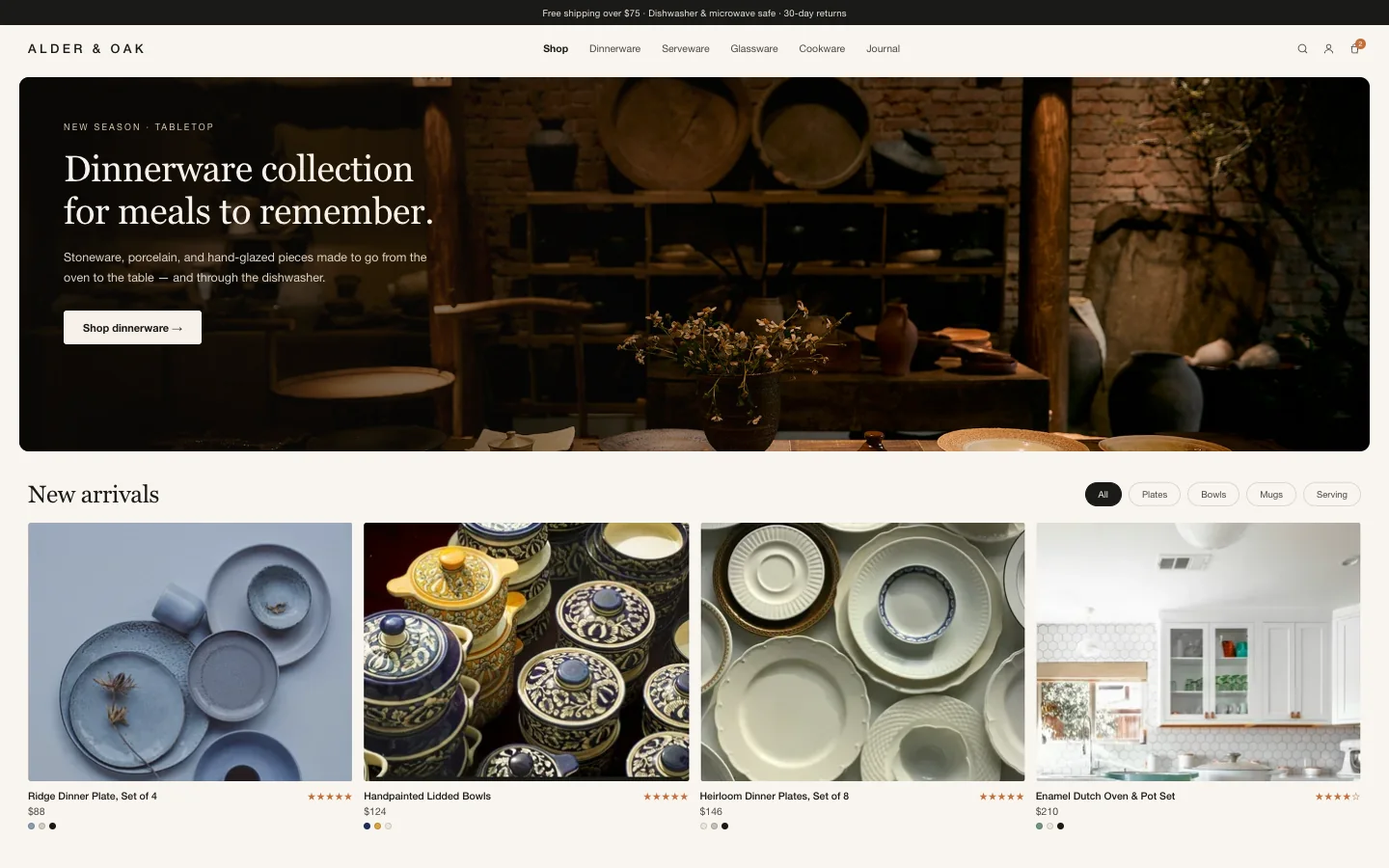
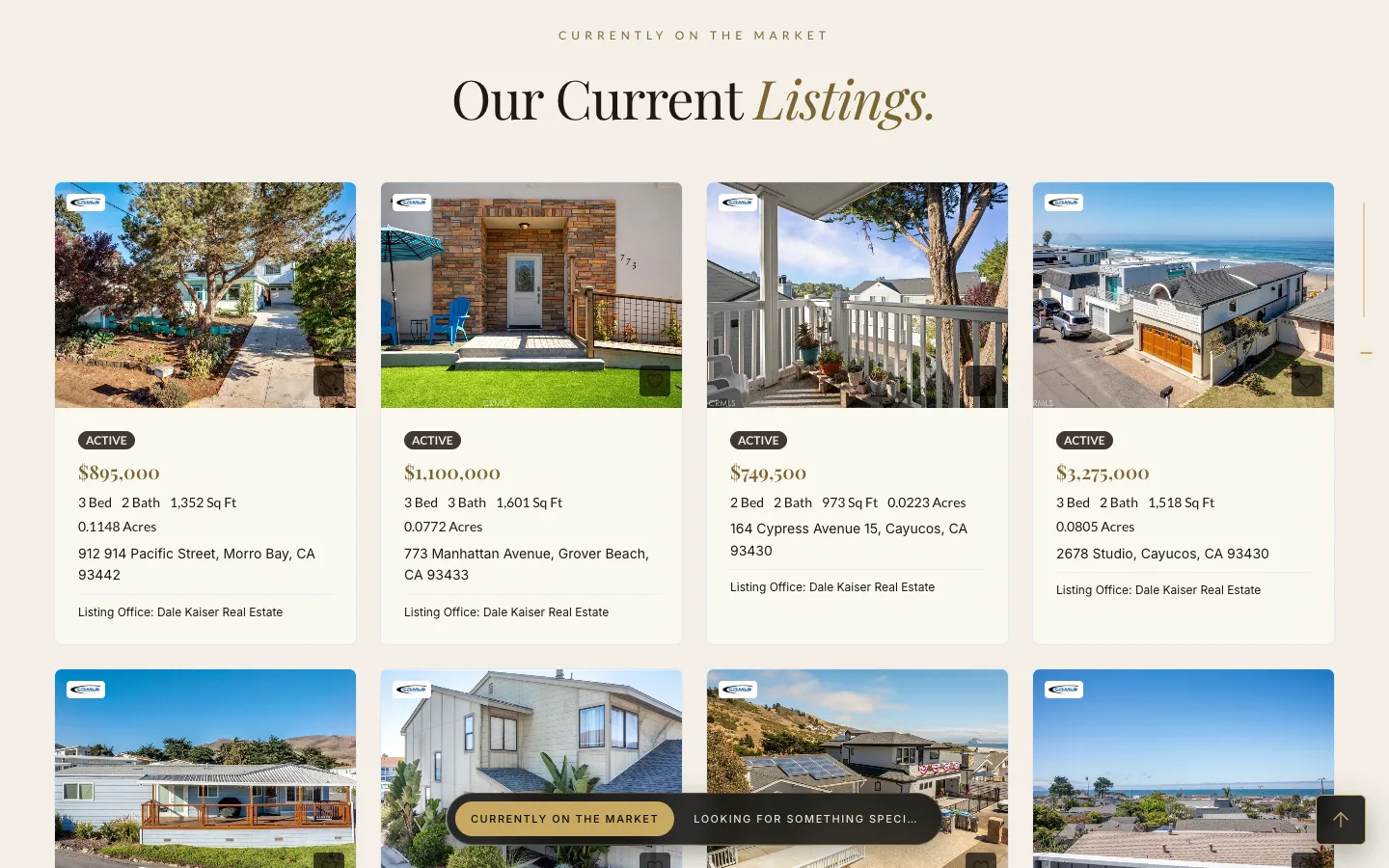
Launch an online store where customers can browse products, make secure purchases, manage orders, and shop anytime.

A great-looking website is only the beginning. Behind every website is a foundation of SEO, page speed, Google Analytics, and technical best practices that help your business rank higher, attract more customers, and grow over time.
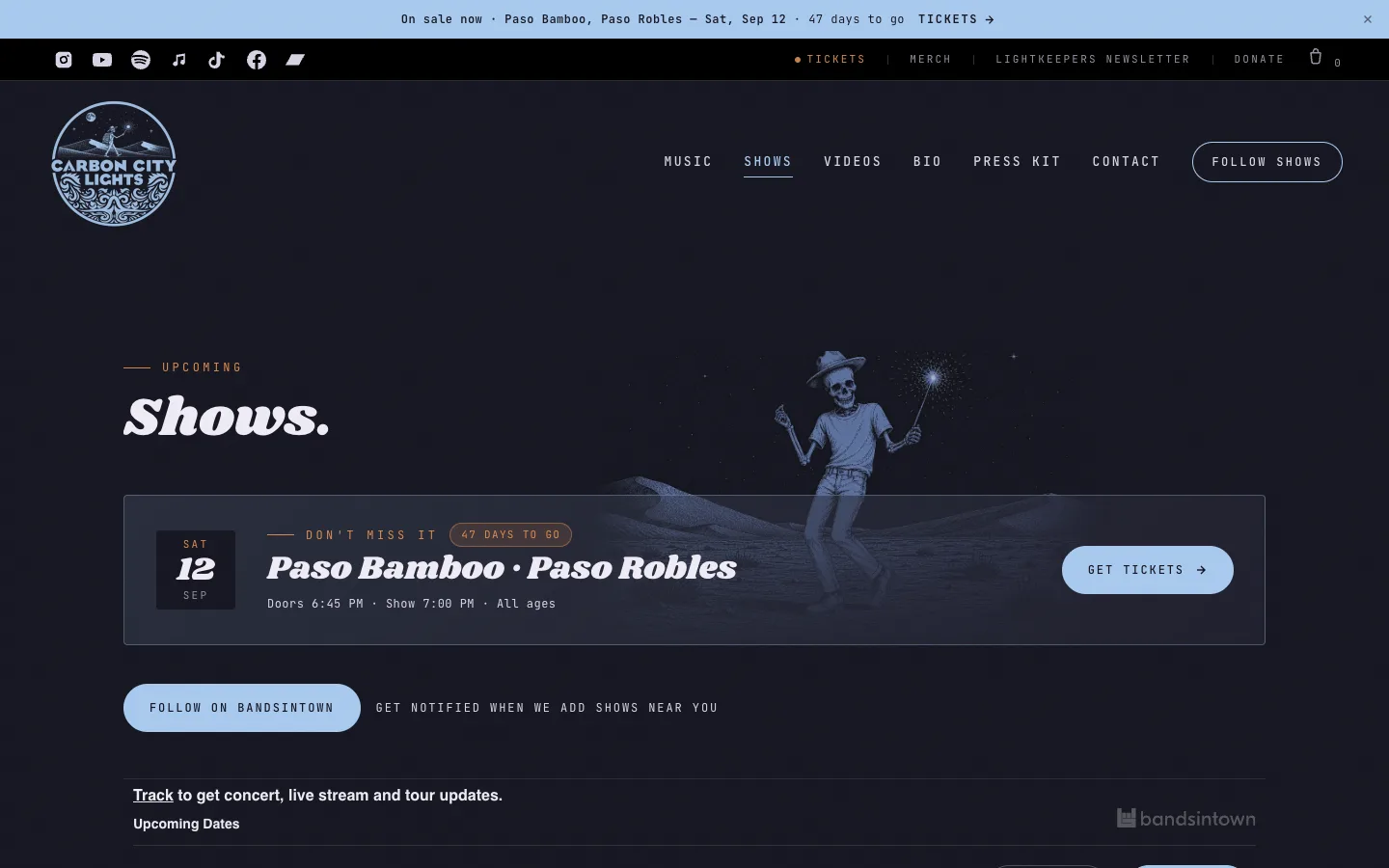
Every business is different, so your website should be too. Whether you need a simple informational site, a portfolio to showcase your work, online scheduling, eCommerce, MLS listings, memberships, invoicing, or custom functionality, I'll help you choose the right platform and build a website that supports your goals today—and grows with your business.
Launch an online store where customers can browse products, make secure purchases, manage orders, and shop anytime.
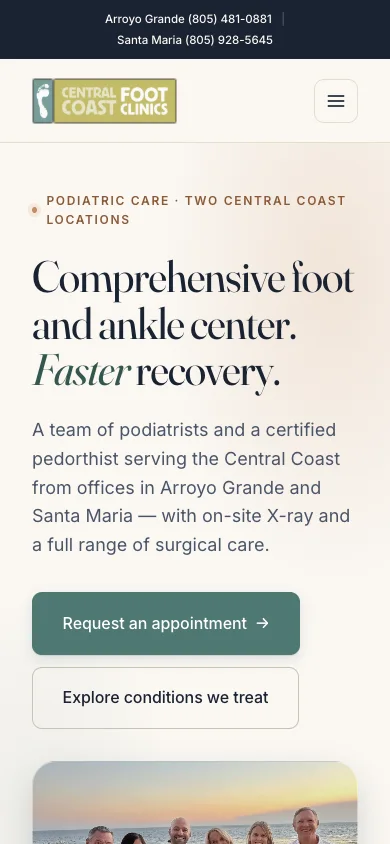
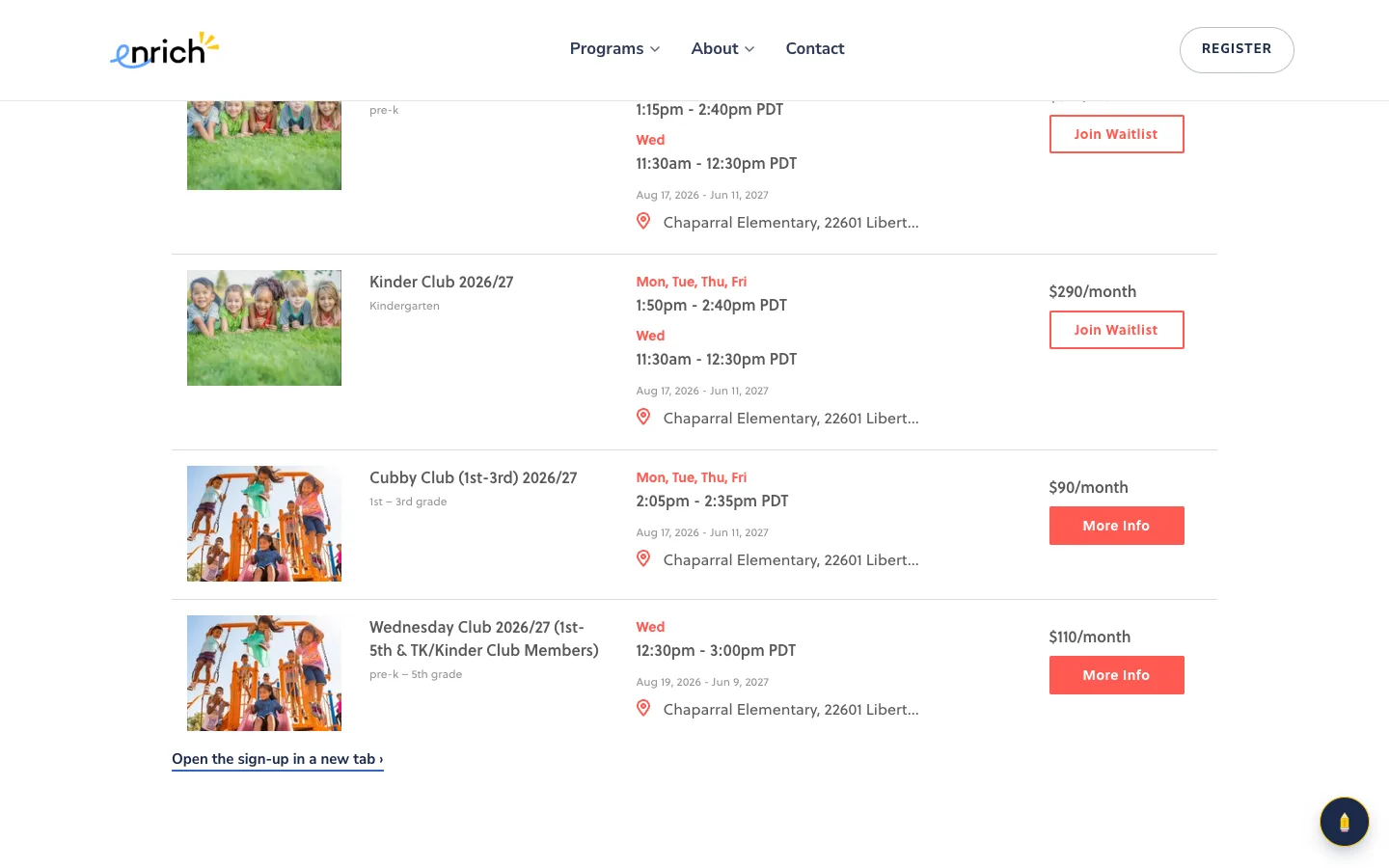
Allow customers to request quotes, explore your services, complete intake forms, and connect with your business from any device.
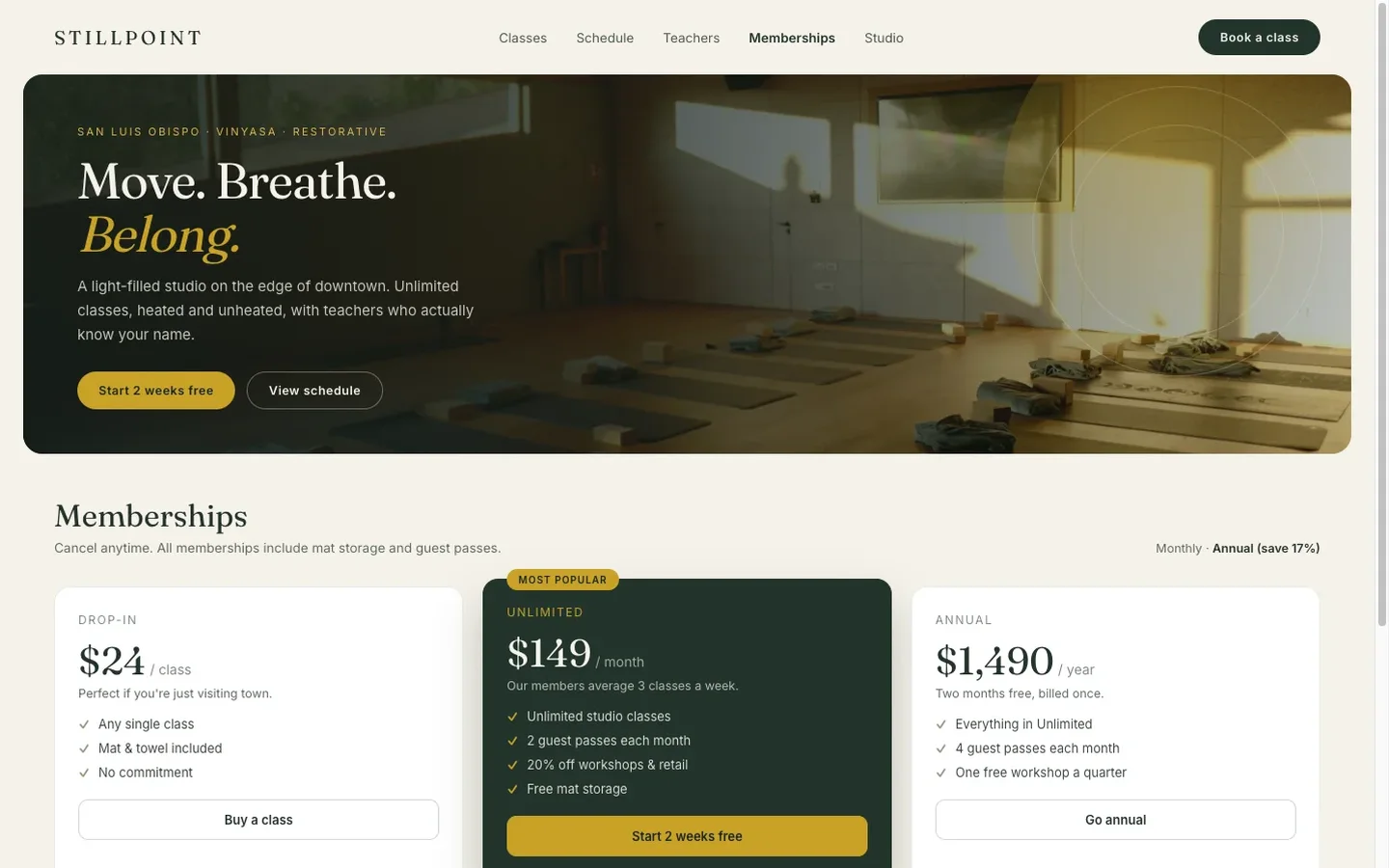
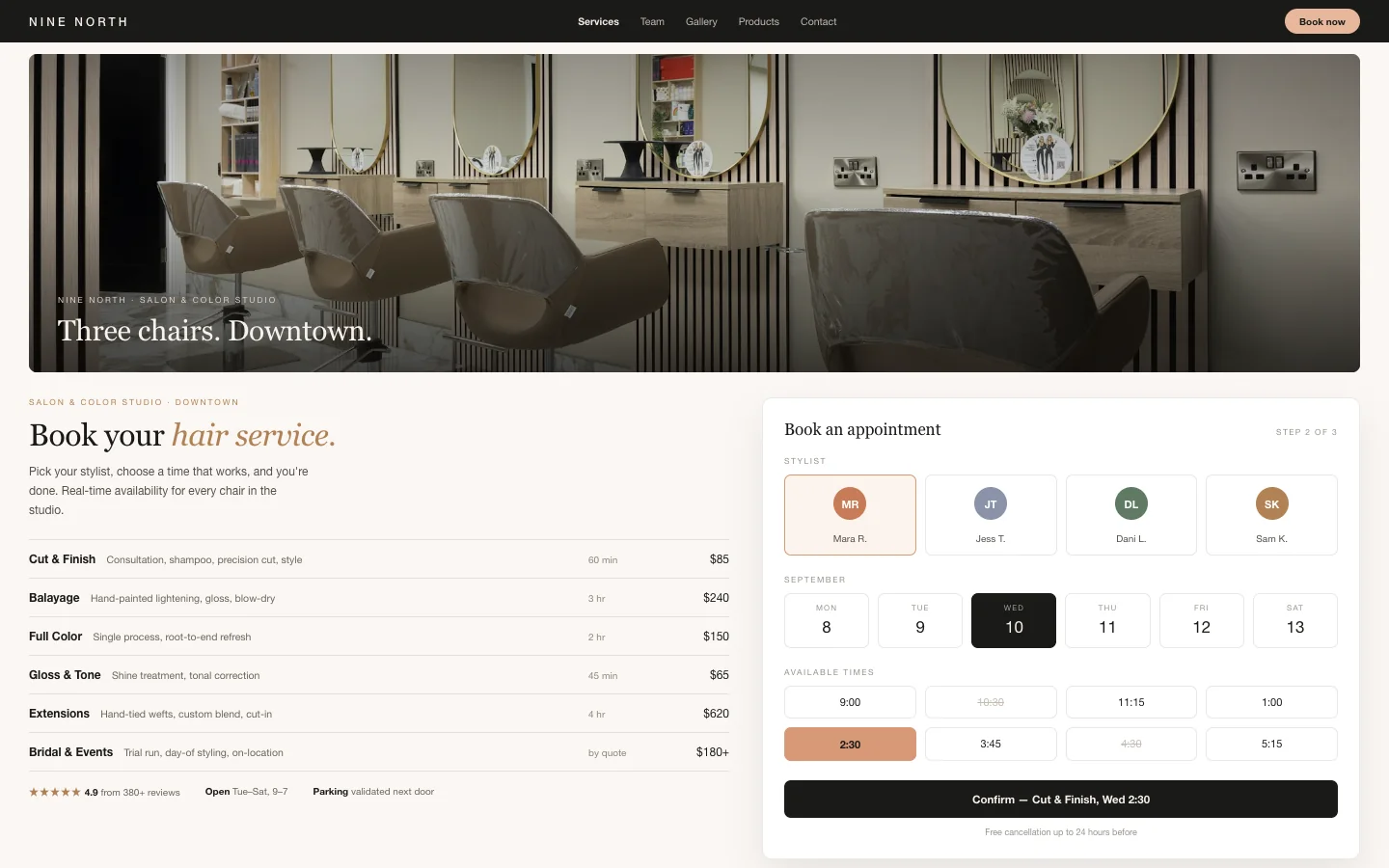
Let customers book appointments online, check availability, receive confirmations, and reduce the back-and-forth of scheduling.
The little things add up. Thoughtful design choices create a smoother experience, earn trust, and turn more visitors into customers.
Clear, legible text keeps visitors engaged and makes your message easy to understand.
Thoughtful spacing gives content room to breathe and helps visitors focus on what matters.
Strategic buttons guide visitors to take action without confusion or second-guessing.
Good contrast improves readability, accessibility, and helps important elements stand out.
Fast-loading pages keep visitors happy and help you rank higher in search results.
A cohesive look across every page builds recognition, trust, and a professional image.
Intuitive menus and structure help visitors find what they need quickly and easily.
Designing for everyone ensures no one is left out and shows you care about every customer.
Smart linking helps visitors discover more valuable content and boosts your SEO.
Optimized images look great, load fast, and help search engines better understand your content.
These details aren't just technical — they're the foundation of a website that earns trust and drives results.
Even minor issues can impact your rankings, user experience, and ability to convert visitors into customers. Keeping your website healthy helps you stay visible, build trust, and grow your business.
An expert eye catches what's easy to miss—before it costs you traffic, leads, and revenue. Don't leave your success to guesswork.
Broken links frustrate visitors and prevent search engines from crawling your site effectively. They can hurt rankings, interrupt the customer journey, and make your business appear unreliable.
Slow websites lose visitors quickly. Page speed affects user experience, conversions, and search visibility because search engines favor websites that load efficiently across devices.
Duplicate content can make it difficult for search engines to determine which page should rank. This may divide the authority of your pages and reduce their visibility in search results.
Missing page titles and descriptions create missed opportunities. Clear metadata helps search engines understand each page and gives potential customers a stronger reason to click your result.
Most visitors browse on mobile devices. A website that is difficult to read, navigate, or use on a phone can drive customers away and negatively affect search performance.
Thin, outdated, or unclear content may fail to answer the questions customers are asking. Helpful, relevant content builds trust, supports rankings, and attracts stronger long-term traffic.
Every website is built with long-term flexibility in mind. Whether you’d like to make your own updates or prefer ongoing support, the website is designed to fit the way you work.
The goal is simple: build a website that fits the way you want to work. On your terms.
Most builds use one of these three. The question is which fits the work — the audit conversation surfaces the right answer for your specific situation.
| WordPress | Squarespace | Shopify | |
|---|---|---|---|
| Best for | Sites that need flexibility, content depth, integrations, owned long-term | Small teams that want to manage their own site after launch | E‑commerce — product catalog, checkout, inventory |
| Setup complexity | Medium–high (custom theme work) | Low (template-based with custom design layer) | Medium (custom Liquid theme work) |
| Self-management after launch | Medium (page builders or admin training) | High (visual editor, drag-and-drop) | Medium (admin UI strong for products + orders) |
| Where it shines | Content + SEO + integrations + bespoke UX | Editorial sites + portfolios + small-team service businesses | Anything selling products or subscriptions |
| Common wrong-fit signal | Team lacks technical comfort and won’t pay for ongoing maintenance | Site needs a feature outside Squarespace’s ecosystem | No e‑commerce; selling services rather than products |
The cards below cover the majority of engagements. The specific number for any project lands inside one of these ranges after a scoping conversation.
Sites on Squarespace, Wix, or WordPress templates. A faster path to a clean, professional online presence with design customization inside the template.
Custom sites — brand and design system in place, content largely ready, single-platform build (WordPress, Squarespace, or custom).
Larger sites or e‑commerce builds — expanded design system or brand-development work, content production support, complex integrations or replatforming engagements.
Monthly retainer pricing varies based on the level of support needed. Ongoing support is also available at an hourly rate of $125/hr.
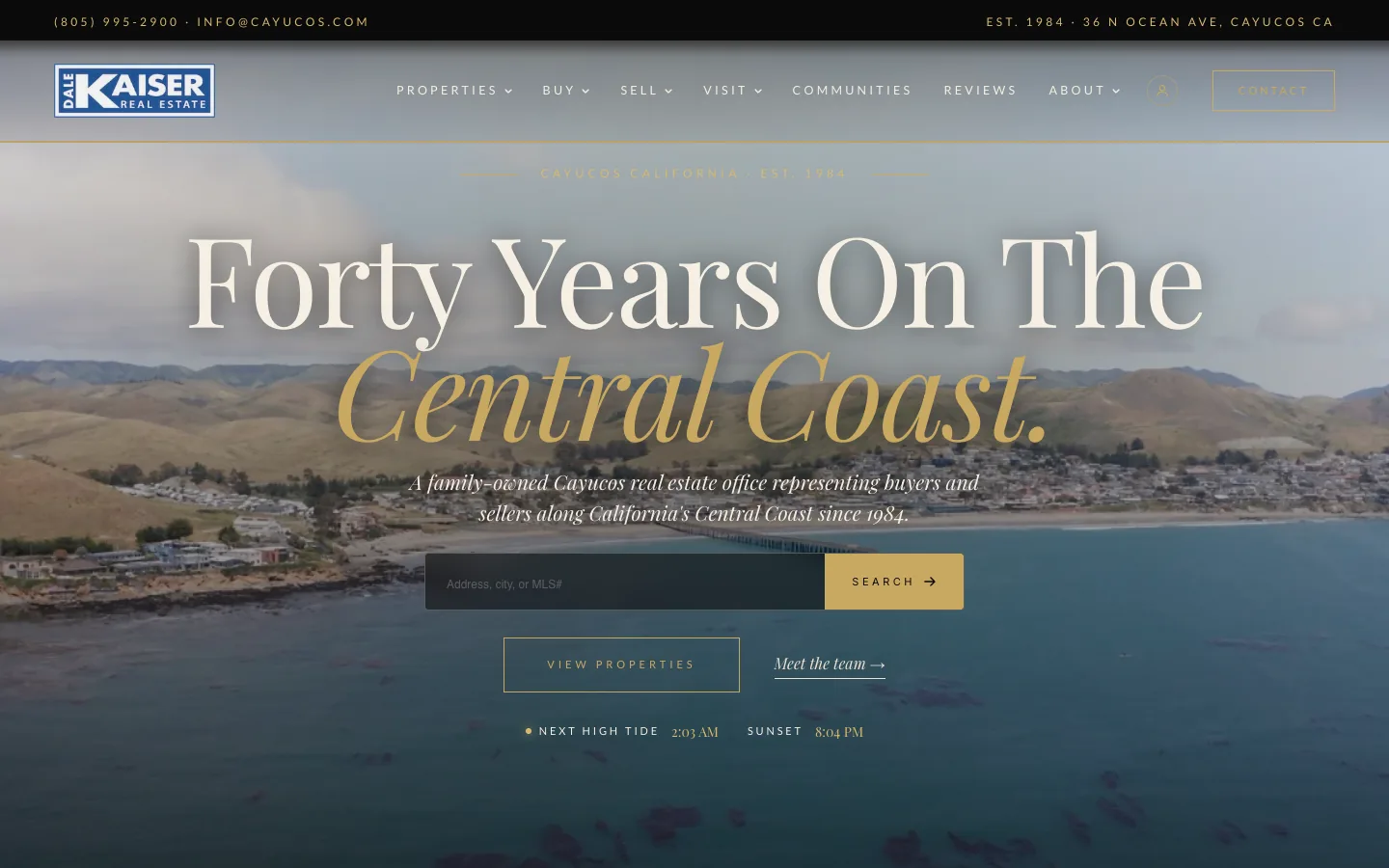
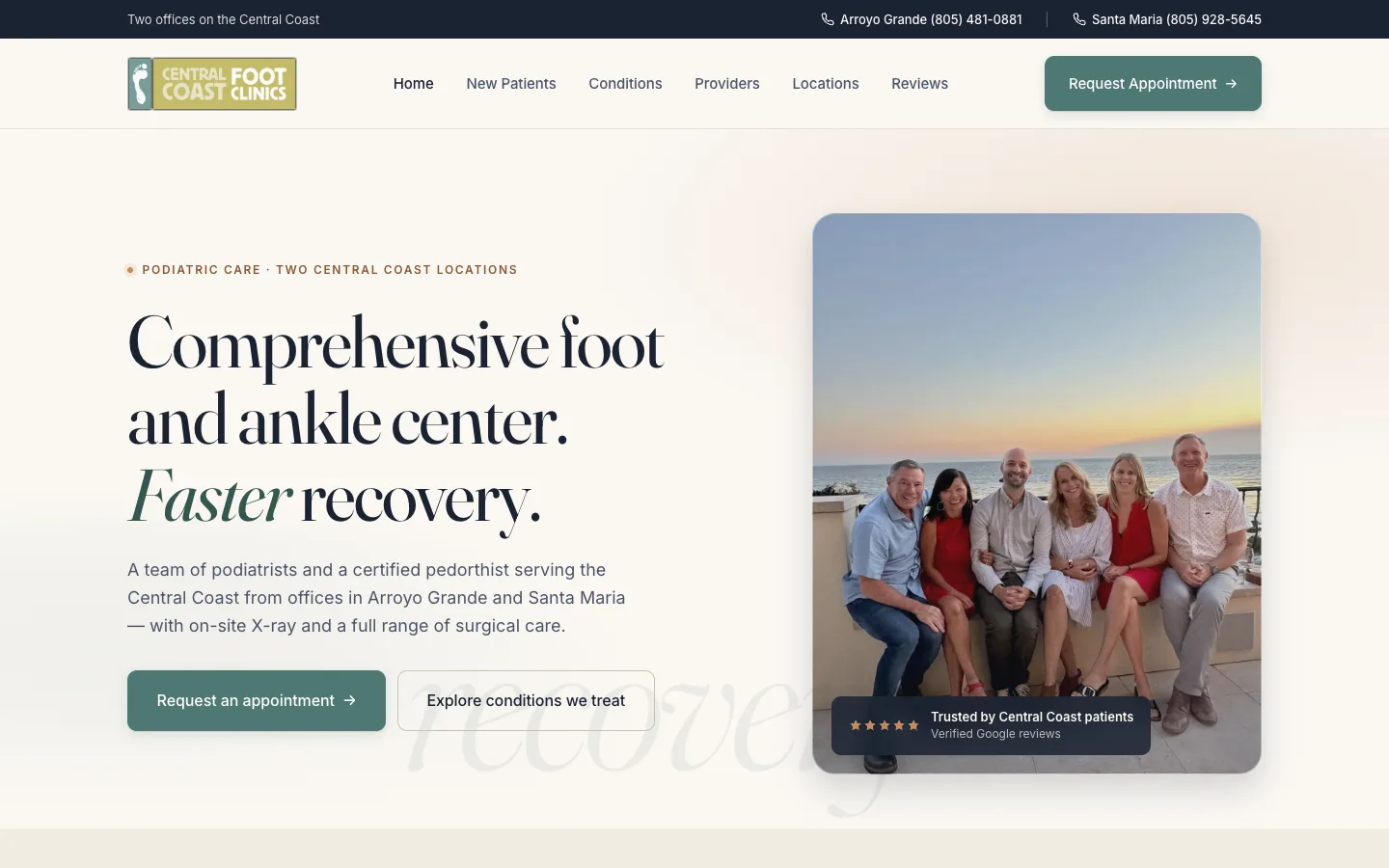
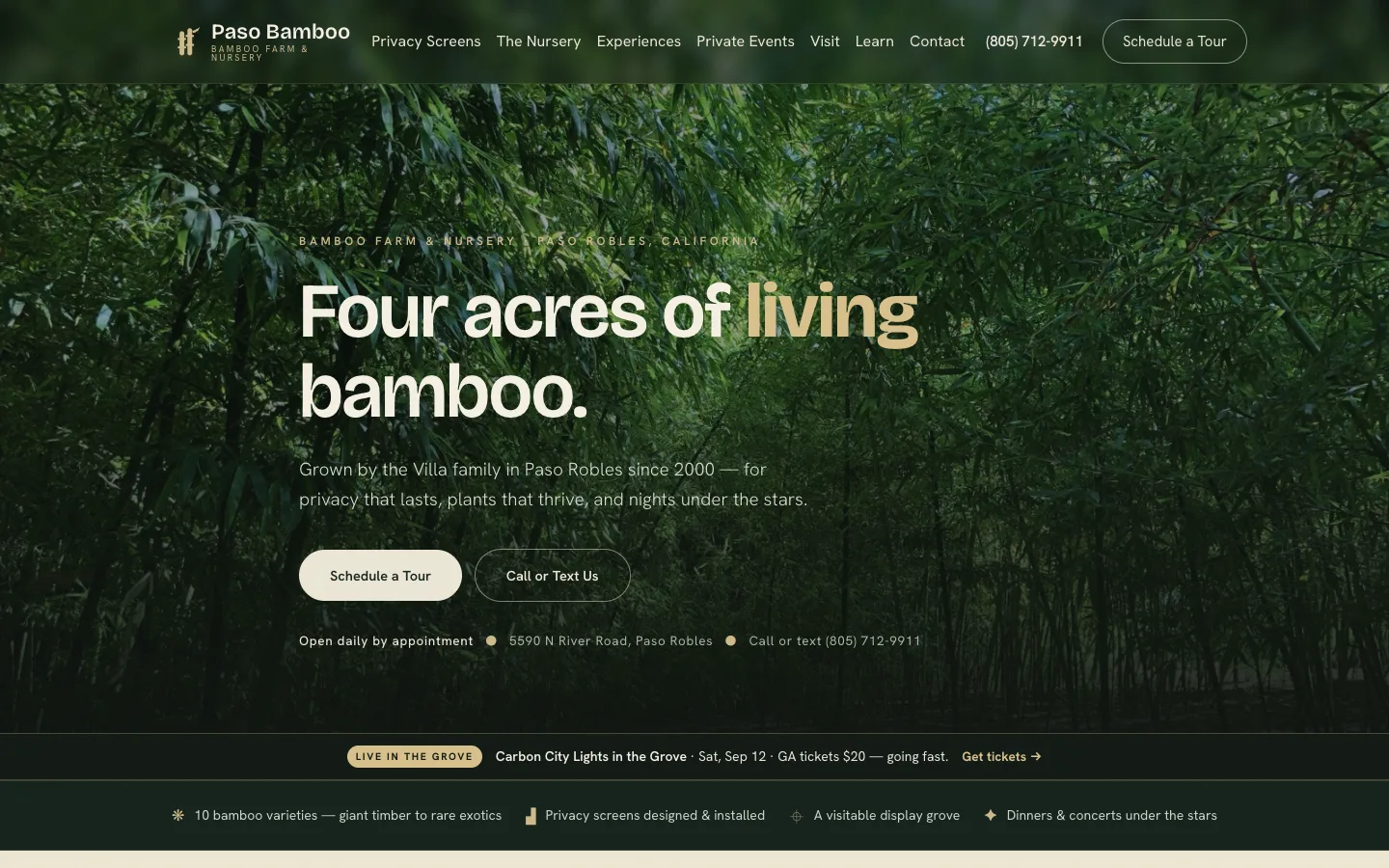
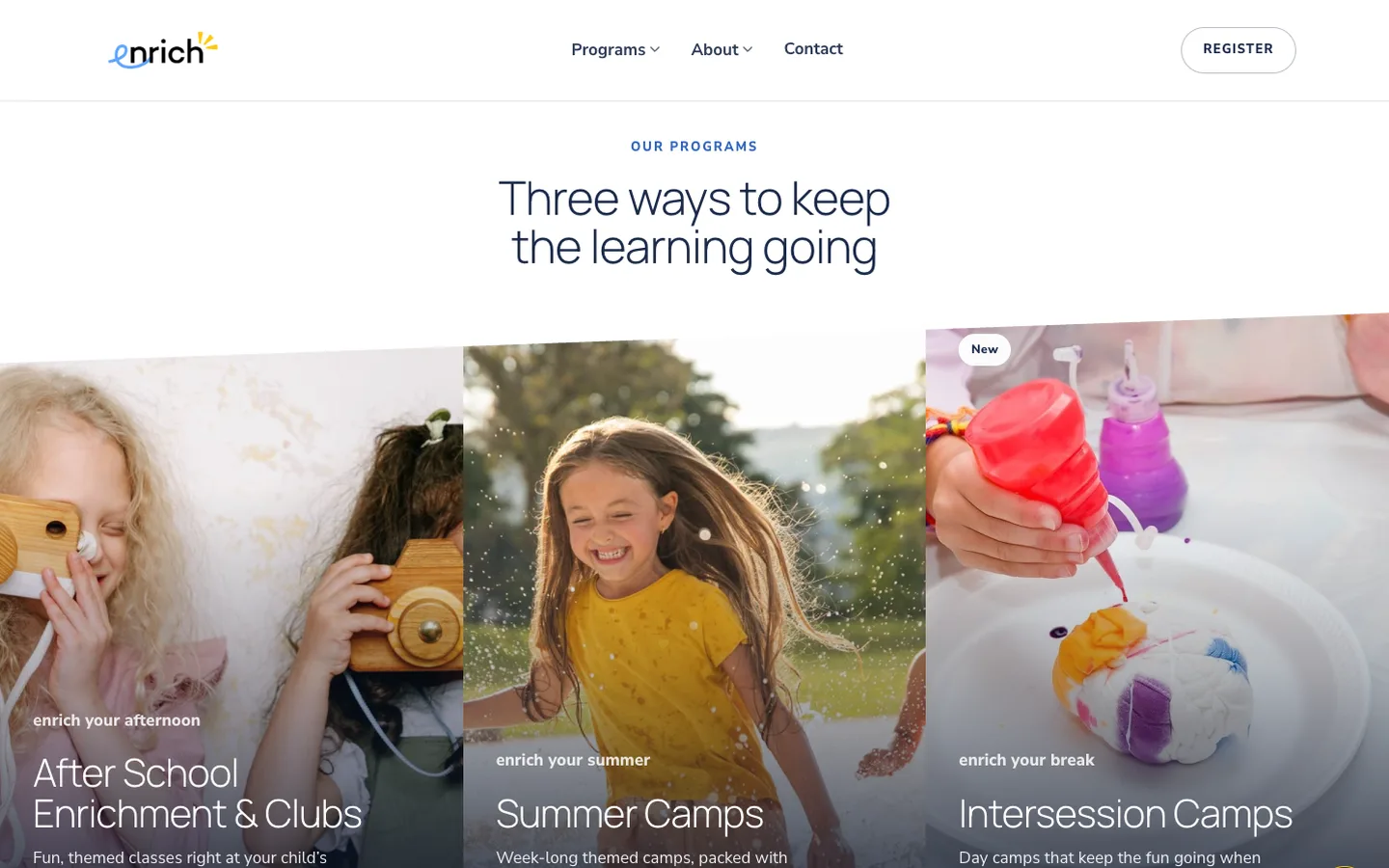
Industries served
Every client gets a custom Looker Studio dashboard — the metrics that matter to your business, pulled live from GA4, Search Console, and ad accounts. Clear visibility in one place, so you can see how the site is performing without having to ask.
Pricing falls between $2,000 and $12,000, split across three tiers. Template builds ($2,000–$3,500) cover sites of up to 8 pages on Squarespace, Wix, or WordPress templates — a faster path to a clean, professional online presence with design customization within the template. Standard custom builds ($3,500–$7,500) cover custom sites of up to 15 pages where the brand and design system are already in place, with a single-platform build (WordPress, Squarespace, or custom). Larger custom builds ($7,500–$12,000) cover sites of up to 25 pages or e-commerce, expanded design system or brand-development work, content production support, and complex integrations or replatforming engagements. Pricing is scoped-quote — the final number lands inside one of these ranges after a scoping conversation, not at packaged tiers.
WordPress is the right call for sites that need flexibility, content depth, integrations, or long-term ownership — flexible enough for anything, owns its own data, scales from a five-page site to a full content engine. Squarespace works for small teams who want to manage their own site after launch with a strong visual editor. Shopify is the right tool for product-based businesses — checkout, inventory, fulfillment integrations, and a strong admin UI. The compare table on this page lays out where each shines and the common wrong-fit signals.
Most custom builds take 4 to 8 weeks from kickoff to launch, once content and branding are locked in. Simpler sites move faster; e-commerce or multi-location sites take longer. The biggest variable is content — if you need copywriting or photography, that adds time. Content production support is part of the $12,000-tier scope; if content is already ready, the timeline compresses.
Custom themes from scratch on WordPress. No bloated page builders, no off-the-shelf templates. The reason is durability: custom themes load faster, update cleanly, and survive being edited or handed off without breaking. Page builders look easy at launch and turn into maintenance debt by year two. The work I do is meant to last past the engagement.
Yes — admin training is part of the handoff. WordPress and Squarespace both have strong post-launch editing surfaces; you (or someone on your team) can edit copy, swap images, add posts, and manage the basics without me. For more substantial changes (new sections, feature additions, design updates), the engagement can continue on a project basis or you can bring it in-house.
URL mapping, 301 redirects, schema migration, and content reuse strategy are part of the build for any redesign or replatforming engagement. The goal is preserving rankings and traffic through the transition — not starting over from zero. Conversion testing post-launch confirms the new site converts at least as well as the old one before scope expands. The 3,500+ leads delivered for clients in 2025 came partly through redesigns that protected rankings.
Hosting depends on the platform. WordPress sites I recommend Cloudways or similar managed hosting — fast, reliable, and reasonably priced; you own the account and the bill goes directly to the host. Squarespace and Shopify include hosting in their platform fees. No hosting reseller markup; no opaque "hosting included" line items.
Design, build, and content support if scoped into the engagement. On-launch QA, GA4 + conversion tracking + form analytics wired in at launch (not bolted on six months later). Anything outside the original scope gets quoted separately so the math stays clear.
The free strategy audit is the easiest place to start.